
Tech's New Cold War: Espionage, Sanctions, and the Battle for AI Dominance
From alleged corporate espionage and regulatory crackdowns to AI ideological battles, the global tech landscape is increasingly shaped by geopolitical tension.
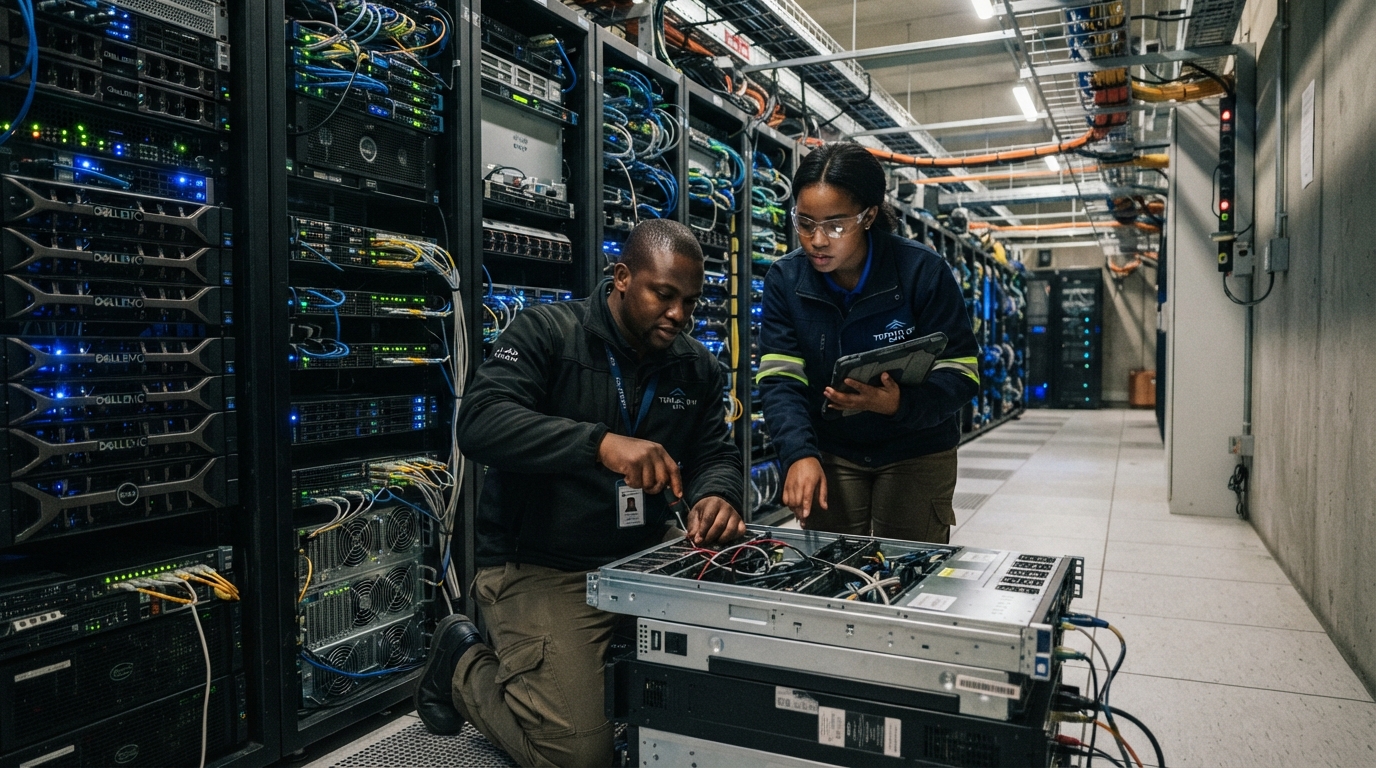
The global technology arena is no longer just about innovation and market share; it's a rapidly hardening battleground where national security, geopolitical ambition, and economic leverage converge. Recent revelations paint a stark picture: from alleged corporate espionage targeting semiconductor giants to sweeping regulatory crackdowns and the weaponization of open-source tools, the lines between corporate strategy and statecraft are increasingly blurred. For "The Byte Republic" readers, this isn't just news — it's the defining operational environment.
Silicon Secrets and Cyber Warfare
The semiconductor industry, the lifeblood of modern tech, finds itself particularly exposed. Whispers from US officials, alleging that Nvidia CEO Jensen Huang was unknowingly entangled in a romantic relationship with an individual recruited by China's top spy agency, the MSS, send shivers through the C-suite. While unproven, such claims underscore the pervasive threat of state-sponsored industrial espionage, targeting the very individuals at the apex of innovation. This comes as the US Commerce Department faces scrutiny for approving dozens of Chinese companies to handle Nvidia’s coveted H200 chips, some with dubious ties to sanctioned entities — a loophole that could undermine vital export controls.
Adding to the cybersecurity concerns, researchers at Censys have unearthed over 800 publicly exposed copies of ARTEX, a Chinese-made, AI-powered penetration testing tool linked to multiple cyberattacks. This isn't merely a bug; it's a readily available, potent offensive weapon, developed in Beijing and now accessible to anyone, posing a severe risk to global digital infrastructure. The juxtaposition of a state-linked hacking tool, accessible for exploitation, with a Beijing-based GenRobot AI raising $100 million for robot training data infrastructure, highlights the dual-use dilemma inherent in China's rapidly advancing tech ecosystem.
Regulatory Hammers and Corporate Entanglement
The crackdown isn't limited to espionage. Financial watchdogs are flexing their muscles, with the US Treasury moving to sever crypto exchange MEXC from the American financial system. Allegations of handling over $16 billion in illicit flows, including sanctions evasion by Russian and Iranian entities, signal a zero-tolerance approach to digital assets being used as a conduit for geopolitical defiance. This mirrors a broader industry reckoning as US midterm election results, which saw AI-safety focused super PACs like Public First achieve significant wins, suggest a future of intensified scrutiny for the crypto sector and AI development alike.
Even established giants like Apple are navigating this tightening landscape, albeit on different fronts. Filings show Apple rerouted up to $50 billion in profits through Singapore, saving $2.7 billion in taxes — surpassing its traditional Irish tax shelter. While legal, such maneuvers highlight how multinational corporations leverage global financial architectures, often sidestepping significant contributions to national treasuries, drawing the ire of regulators worldwide. Meanwhile, Cisco found itself mired in controversy, with internal leaks revealing how the company expanded its business ties with the Israeli military amidst the Gaza conflict, despite internal dissent, illustrating the complex, often fraught, entanglement of Big Tech with geopolitical realities.
The Global Angle
The balkanization of the global technology sector isn't a hypothetical future; it's the present reality. From the US-China race for semiconductor sovereignty and the tightening of export controls, to the weaponization of open-source projects, and the ideological post-training of Chinese AI models to reinforce Western values — every facet of tech development is now filtered through a geopolitical lens. The free flow of innovation, capital, and ideas is being fragmented, forcing every nation and enterprise to navigate a landscape where technology is increasingly a tool of statecraft.
Source: Techmeme

Silicon vs. Slop: The Battle for Photographic Authenticity Begins
As AI deepfakes flood the internet, CAIM1's prototype camera offers a hardware-backed cryptographic solution to restore trust in digital images. "The Byte…

Decentralized AI: The True Cost of Cutting the Cloud Cord
Want AI on your own terms? The Byte Republic explores the critical hardware specs and financial investment needed to run powerful LLMs directly on your PC.

Your Old Laptop's Encore: Unleashing Dual-Screen Productivity Without New Hardware
Unleash hidden potential! Learn how savvy tech users are transforming old laptops into valuable second monitors, boosting productivity and reducing e-waste…

The Phantom Port: Decoding Your MacBook's USB Disconnects
Even Apple, a USB pioneer, can stumble. Dive into why MacBooks sometimes miss USB devices, common fixes, and the global implications of connection friction.

One UI's App Drawer: A Nod to Legacy in a Gesture-Driven Era
Samsung's One UI quietly removed the "all apps" button by default, yet offers a surprising olive branch to traditionalists. We unpack this subtle battleground…
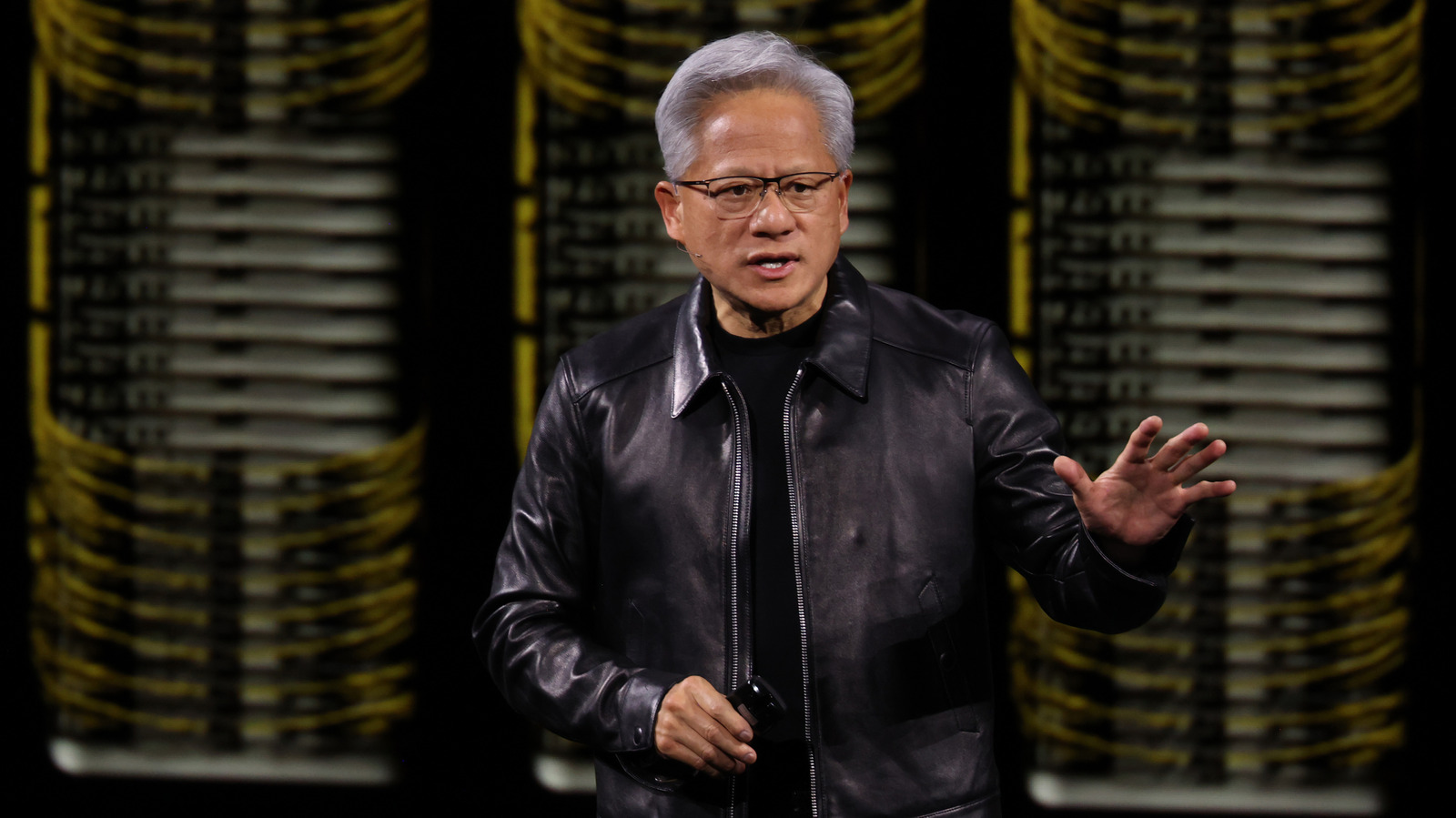
AI's Architect Under Siege: Jensen Huang's Affair Sparks Espionage Probe
NVIDIA launches probe into CEO Jensen Huang over alleged Chinese spy efforts, linking a top executive's affair to national security concerns in the AI race.

Defying the Upgrade Cycle: Your Old Smartwatch Isn't Dead Yet
Don't toss that old smartwatch. Discover how to transform forgotten tech into a dedicated AI assistant, tracker, or note-taker, challenging Big Tech's upgrade…