
Defying the Upgrade Cycle: Your Old Smartwatch Isn't Dead Yet
Don't toss that old smartwatch. Discover how to transform forgotten tech into a dedicated AI assistant, tracker, or note-taker, challenging Big Tech's upgrade…
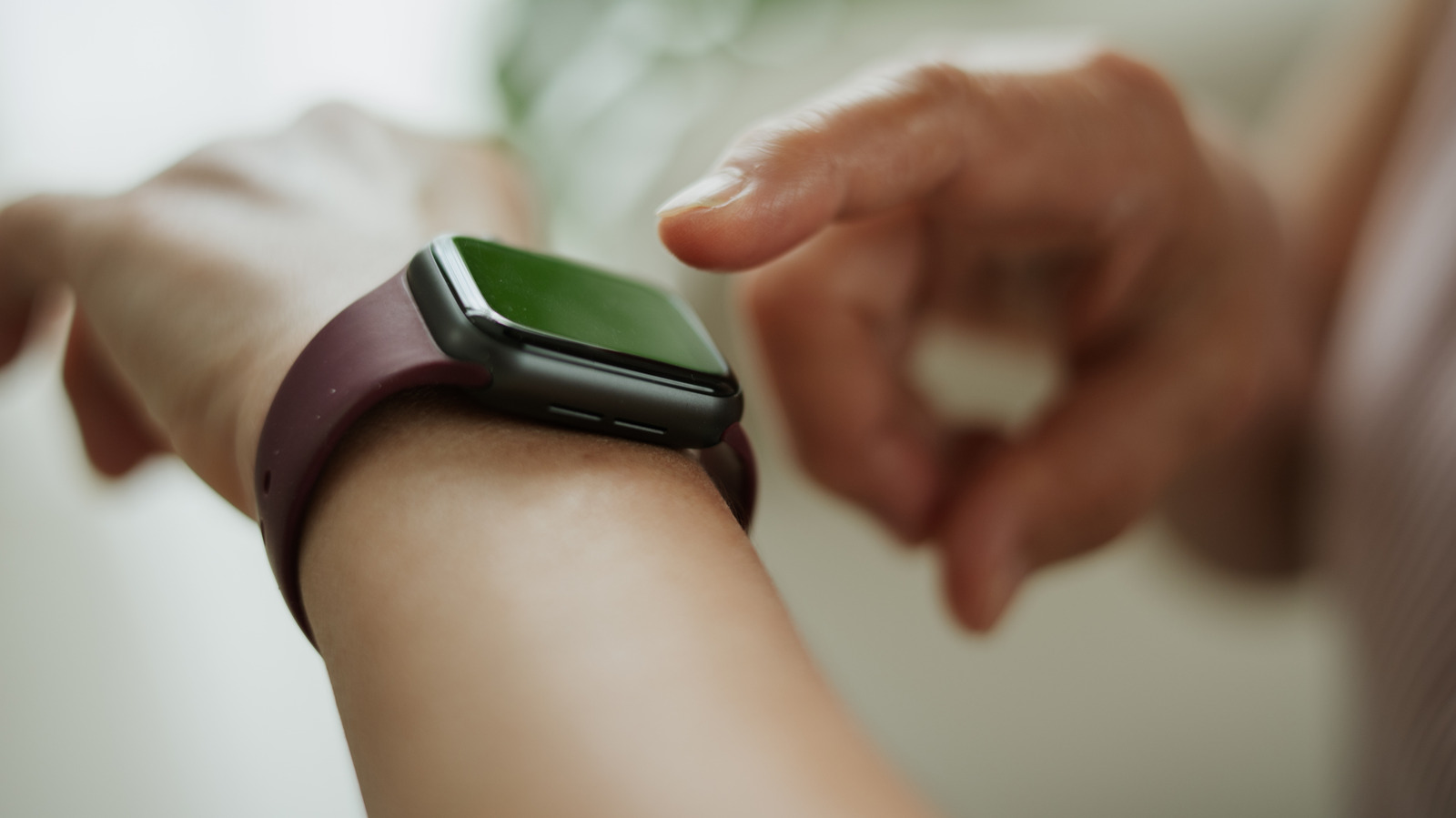
Every year, tech giants push out sleeker, faster smartwatches, promising incremental upgrades that often feel more like a nudge towards your wallet than a revolutionary leap. The consequence? A growing graveyard of perfectly functional, slightly-behind-the-curve devices languishing in desk drawers, gathering dust and silently contributing to the global e-waste crisis. But what if we told you that "obsolete" is merely a state of mind, and your old wrist-worn tech still has plenty of fight left?
The AI Co-Pilot You Didn't Know You Needed
Perhaps the most compelling argument for dusting off that old Apple Watch or Wear OS device comes in the form of artificial intelligence. In an era where AI is the new battleground for Big Tech, having a dedicated, always-on AI assistant on your wrist isn't just convenient – it's transformative. Imagine instant access to Gemini or ChatGPT without fumbling for your phone, freeing up your primary device for more demanding tasks. Many older smartwatches, even those a few generations behind, possess the processing power to handle these interactions seamlessly. Activating "Hey Google" or "Hey Siri" on a device no longer burdened by constant notifications or complex app juggling transforms it into a highly efficient, single-purpose AI portal. For Wear OS users, Gemini integration is straightforward, while Apple Watch owners can leverage third-party apps to bring ChatGPT into the fold. This isn't just about saving money; it's about optimizing your digital workflow and challenging the notion that you need the very latest silicon to tap into cutting-edge AI.More Than Just a Timepiece
Beyond its potential as an AI co-pilot, an older smartwatch retains a surprising array of functionalities that make it a valuable utility device. Consider it a dedicated sleep tracker, liberated from the need for daily charging (since it's not your primary watch) and providing invaluable data on your nocturnal habits. Its compact form factor makes it an ideal, discreet note-taking tool, allowing you to quickly capture thoughts or reminders with voice commands or a few taps, sans phone. For families, a repurposed smartwatch can serve as a rudimentary child monitoring device, offering basic location tracking or emergency contact capabilities without the cost or distraction of a full-fledged smartphone. These are not headline-grabbing features for a launch event, but they represent significant value extraction from hardware often deemed past its prime, a testament to the core utility embedded in these miniature computers.The Global Angle
For The Byte Republic's global audience, the strategic repurposing of smartwatches isn't just a quirky tech hack; it's a commentary on the economics of consumer tech, resource consumption, and the digital divide. Big Tech's relentless upgrade cycles drive enormous profits but also fuel an escalating e-waste crisis, particularly impacting developing nations that often become dumping grounds for discarded electronics. By extending the life of these devices, consumers push back against planned obsolescence, demanding more from their initial investment. Furthermore, in markets where access to the latest, most expensive gadgets is limited, breathing new life into older models creates opportunities for more affordable tech adoption, leveraging existing infrastructure and innovation. This trend also forces semiconductor manufacturers and software developers to consider long-term support and modularity, potentially shifting industry paradigms towards more sustainable and equitable tech ecosystems.So, before you consign that once-prized smartwatch to the digital purgatory of your desk drawer, consider its latent power. In an industry obsessed with the new, finding innovative uses for the old is a quietly subversive act – one that saves money, reduces waste, and cleverly redefines the lifecycle of our most intimate pieces of technology.
Source: Engadget

Silicon vs. Slop: The Battle for Photographic Authenticity Begins
As AI deepfakes flood the internet, CAIM1's prototype camera offers a hardware-backed cryptographic solution to restore trust in digital images. "The Byte…

Decentralized AI: The True Cost of Cutting the Cloud Cord
Want AI on your own terms? The Byte Republic explores the critical hardware specs and financial investment needed to run powerful LLMs directly on your PC.

Your Old Laptop's Encore: Unleashing Dual-Screen Productivity Without New Hardware
Unleash hidden potential! Learn how savvy tech users are transforming old laptops into valuable second monitors, boosting productivity and reducing e-waste…
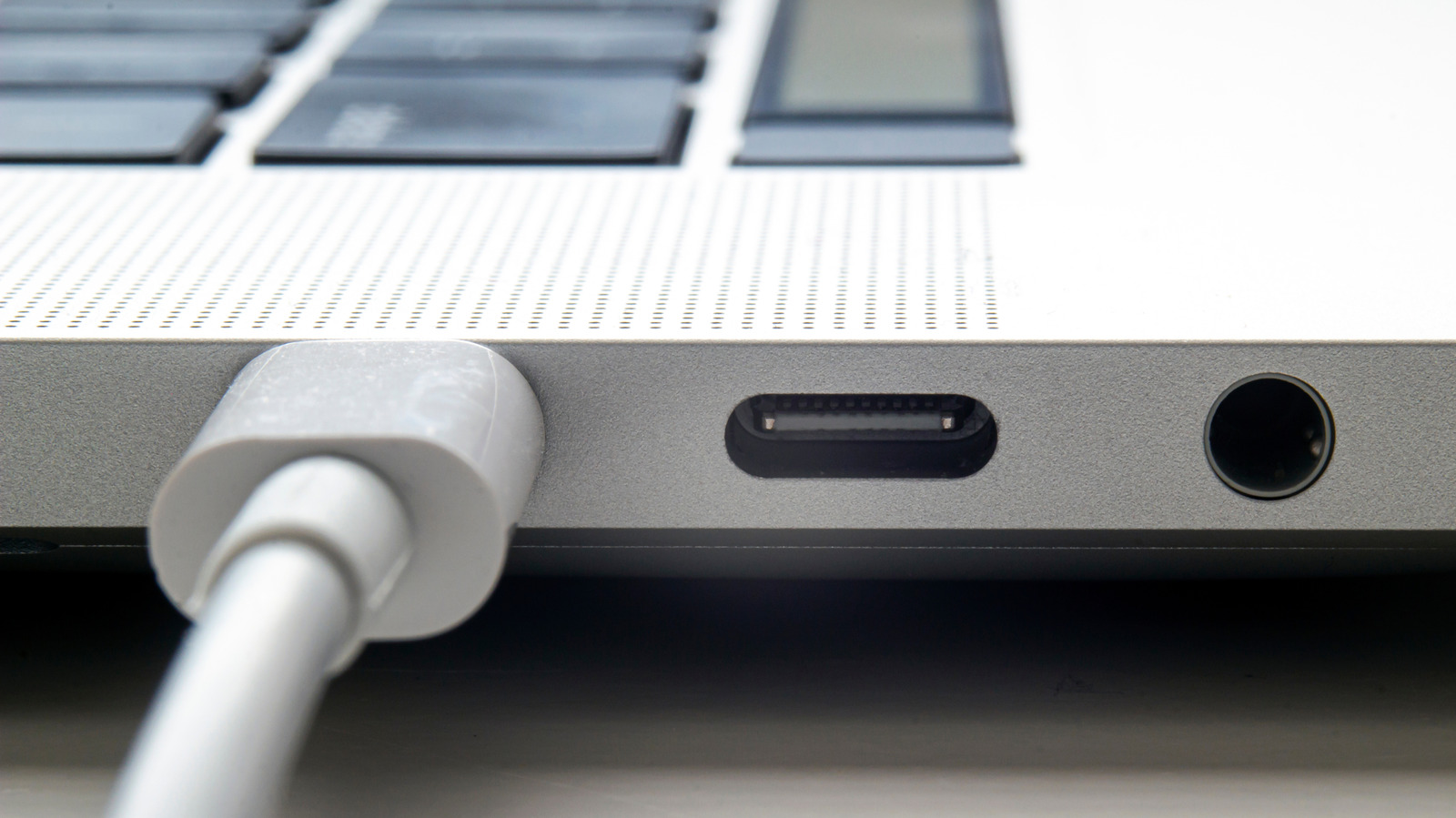
The Phantom Port: Decoding Your MacBook's USB Disconnects
Even Apple, a USB pioneer, can stumble. Dive into why MacBooks sometimes miss USB devices, common fixes, and the global implications of connection friction.
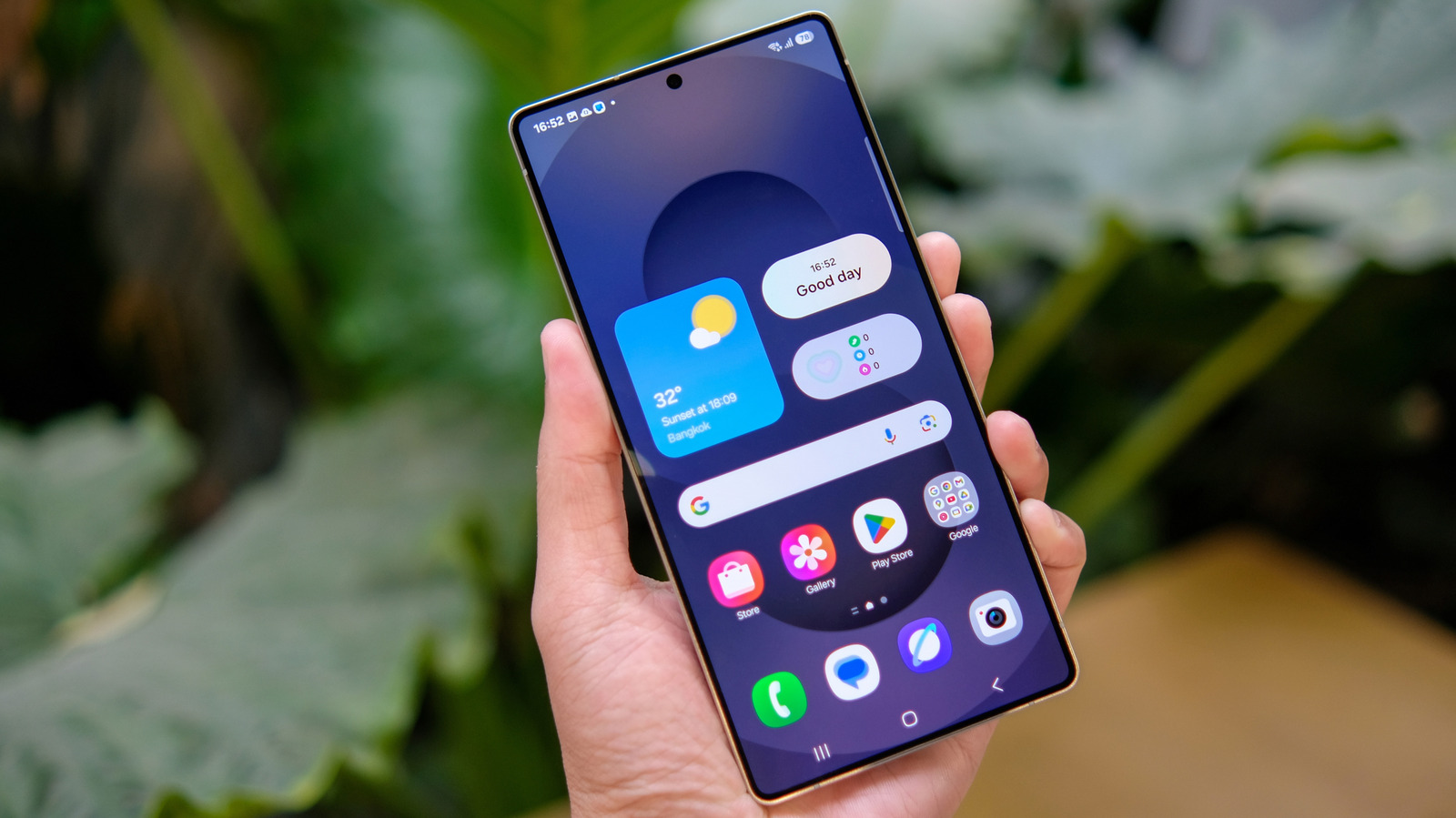
One UI's App Drawer: A Nod to Legacy in a Gesture-Driven Era
Samsung's One UI quietly removed the "all apps" button by default, yet offers a surprising olive branch to traditionalists. We unpack this subtle battleground…
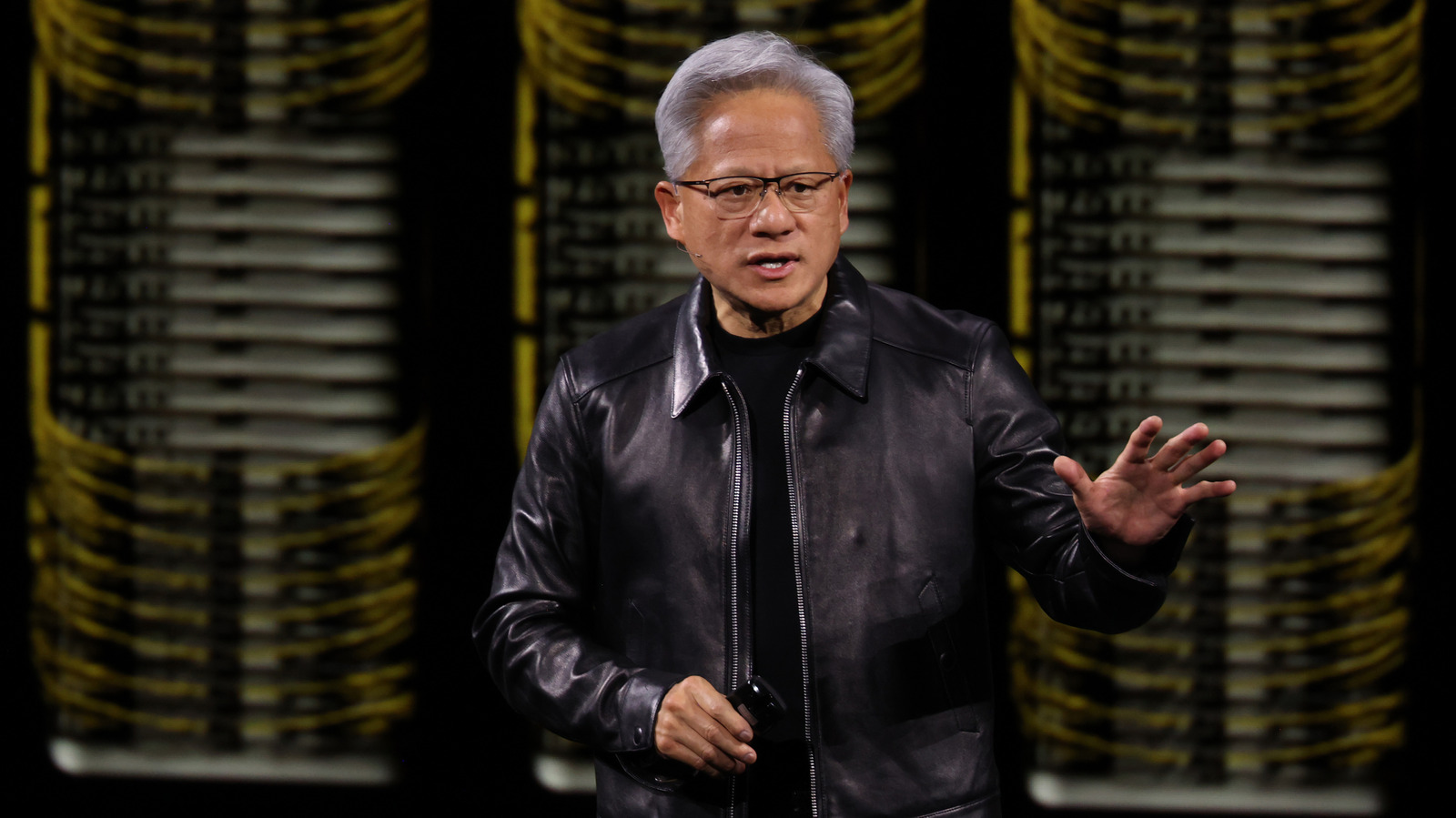
AI's Architect Under Siege: Jensen Huang's Affair Sparks Espionage Probe
NVIDIA launches probe into CEO Jensen Huang over alleged Chinese spy efforts, linking a top executive's affair to national security concerns in the AI race.
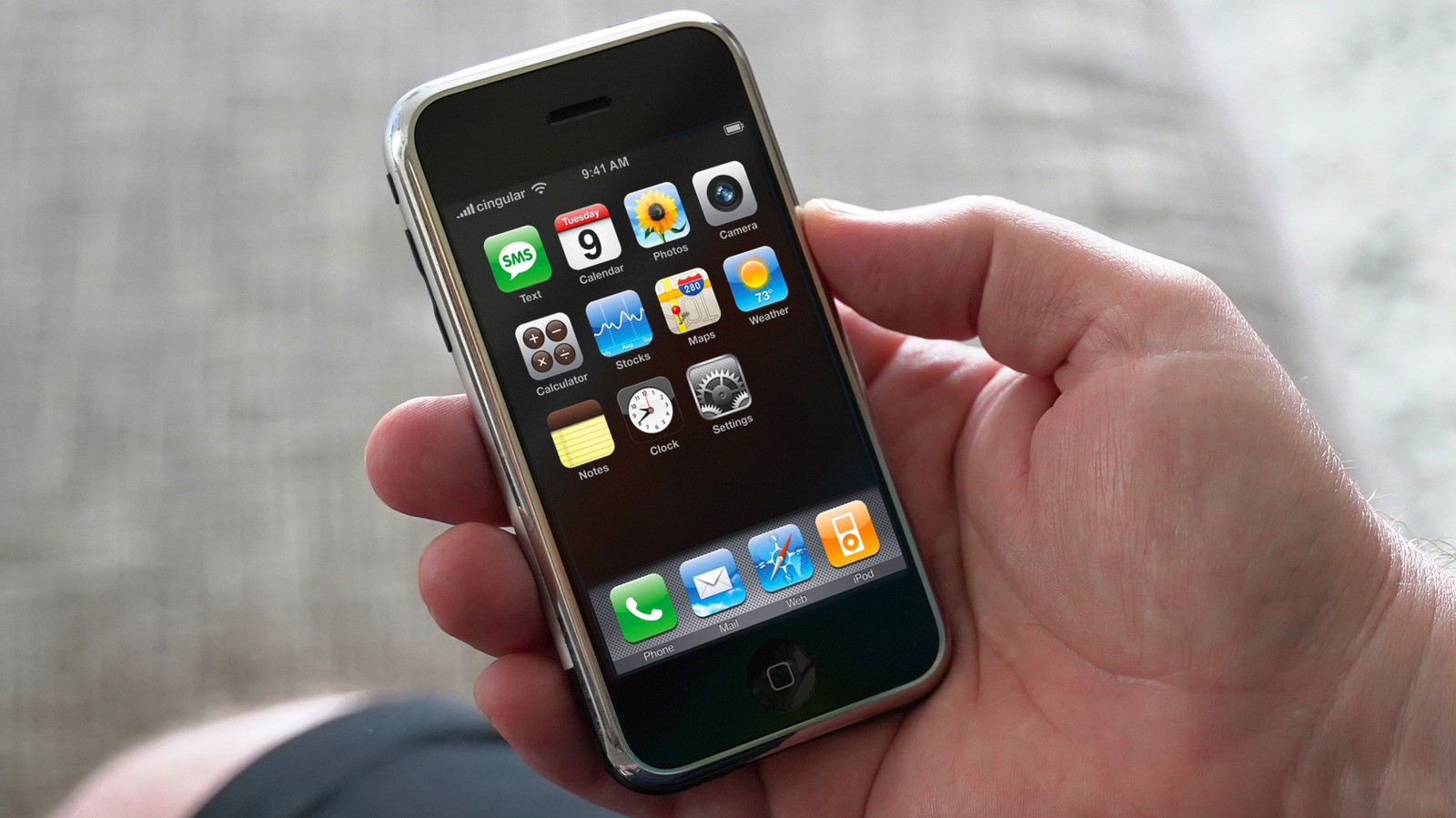
The iPhone's Enduring Illusion: What the 'Cheaper' Past Really Cost
Unpacking Apple's iPhone pricing from 2007 to today. The Byte Republic examines how inflation and carrier shifts redefine perceived value for global consumers.