
Silicon's New Front Lines: As AI's Global Footprint Explodes, Regulation, Geopolitics, and Ethics Collide
From US Capitol to Beijing boardrooms, the AI revolution is hitting critical geopolitical and regulatory roadblocks, reshaping global tech and finance.
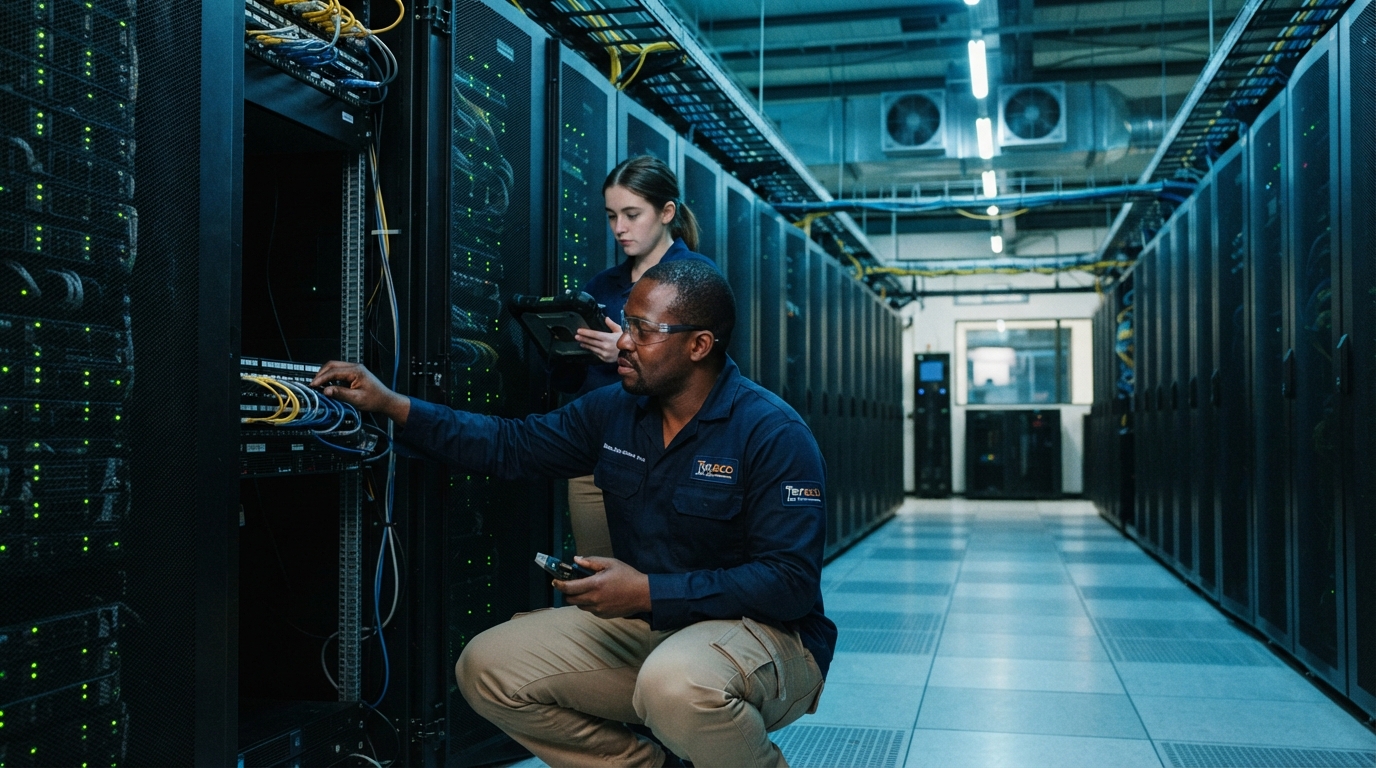
The relentless ascent of artificial intelligence is no longer solely a story of computational breakthroughs and market exuberance; it is rapidly morphing into a profound geopolitical and ethical battleground. Recent global developments reveal an accelerating convergence of technological advancement with high-stakes political and economic battles, forcing industry titans to navigate an increasingly complex landscape defined by sanctions, legislative pushes, and an intense competition for digital supremacy.
The Regulatory Iron Fist Tightens
The US political arena is signaling a seismic shift in its approach to AI. The recent midterm elections saw a formidable ascent of AI safety advocates, backed by groups like the Anthropic-affiliated Public First super PAC, which spent over $63 million to elect candidates favoring stricter oversight. With 10 of 17 endorsed candidates securing wins, the message is clear: the era of self-regulation for AI may be drawing to a close. This legislative muscle-flexing extends beyond algorithms, with the US Treasury aggressively moving to sever crypto exchange MEXC from the American financial system over alleged illicit flows, including Russian and Iranian sanctions evasion. The crypto industry, too, braces for intensified scrutiny under a newly invigorated Democratic Congress, underscoring a broader governmental appetite for reining in digital frontiers.
Chips, Cyber, and the Sino-American Tech Divide
The geopolitical fault lines in technology are nowhere more apparent than in the intensifying US-China rivalry. Investigations reveal that Chinese companies approved by the US Commerce Department to handle sensitive Nvidia H200 chips harbor concerning ties to sanctioned entities and, in some cases, appear to be shell operations. This suggests glaring loopholes in Washington's export controls, potentially undermining efforts to curb Beijing's advanced computing ambitions. Simultaneously, the discovery of over 800 publicly exposed copies of ARTEX, a Chinese-made, AI-powered penetration testing tool linked to cyberattacks, highlights the dual-use nature of AI and the persistent cybersecurity threat. Even the ideological battle is being waged in code: Nous Research’s "Arete-27B" model, a Western-values-reinforced version of Alibaba's Qwen3.8-27B, underscores the ongoing digital "great game" for AI's ethical and cultural direction.
The Environmental and Financial Reckoning
As AI’s influence expands, its material footprint is drawing unavoidable scrutiny. Major environmental groups, while leveraging AI for climate data analysis and wildfire tracking, are simultaneously sounding alarms over the colossal energy demands and environmental impact of the burgeoning data center industry. This paradox is acutely felt in Southeast Asia, where a boom in data center capacity, particularly in Malaysia and Thailand, is now facing significant delays due to power and water constraints. Meanwhile, Big Tech continues its quest for financial optimization, with Apple reportedly saving $2.7 billion in taxes this year by routing profits through Singapore, effectively eclipsing Ireland as its primary tax haven. The scale of these financial maneuvers, coupled with the environmental toll, presents a stark challenge to the industry's narrative of pure progress. Elon Musk's ambitious "Starbase supercomputer" plans in Texas, potentially facing delays due to local politics, are another microcosm of the broader challenges to unrestrained tech expansion.
The Global Angle
For "The Byte Republic" readers, these developments are not merely headlines; they are direct indicators of global economic shifts, policy directions, and investment risks. The tightening regulatory grip on AI and crypto in the US will inevitably set precedents for other markets, impacting venture capital flows and startup strategies worldwide. The US-China tech schism dictates supply chain realities for semiconductors and advanced computing, crucial for any enterprise relying on high-performance technology. Furthermore, the burgeoning scrutiny on energy and tax practices will force a recalibration of corporate responsibility and cost models for the world's largest tech companies. These are the defining battlegrounds of the next decade, where policy, politics, and power will shape the contours of digital progress.
The confluence of these pressures – regulatory, geopolitical, environmental, and fiscal – heralds a more constrained era for AI and Big Tech. The days of unchecked innovation are ceding ground to a world demanding accountability, transparency, and a deeper consideration of technology’s societal and planetary impact. As the silicon frontier expands, so too do the battle lines.
Source: Techmeme

Silicon vs. Slop: The Battle for Photographic Authenticity Begins
As AI deepfakes flood the internet, CAIM1's prototype camera offers a hardware-backed cryptographic solution to restore trust in digital images. "The Byte…

Decentralized AI: The True Cost of Cutting the Cloud Cord
Want AI on your own terms? The Byte Republic explores the critical hardware specs and financial investment needed to run powerful LLMs directly on your PC.

Your Old Laptop's Encore: Unleashing Dual-Screen Productivity Without New Hardware
Unleash hidden potential! Learn how savvy tech users are transforming old laptops into valuable second monitors, boosting productivity and reducing e-waste…

The Phantom Port: Decoding Your MacBook's USB Disconnects
Even Apple, a USB pioneer, can stumble. Dive into why MacBooks sometimes miss USB devices, common fixes, and the global implications of connection friction.

One UI's App Drawer: A Nod to Legacy in a Gesture-Driven Era
Samsung's One UI quietly removed the "all apps" button by default, yet offers a surprising olive branch to traditionalists. We unpack this subtle battleground…
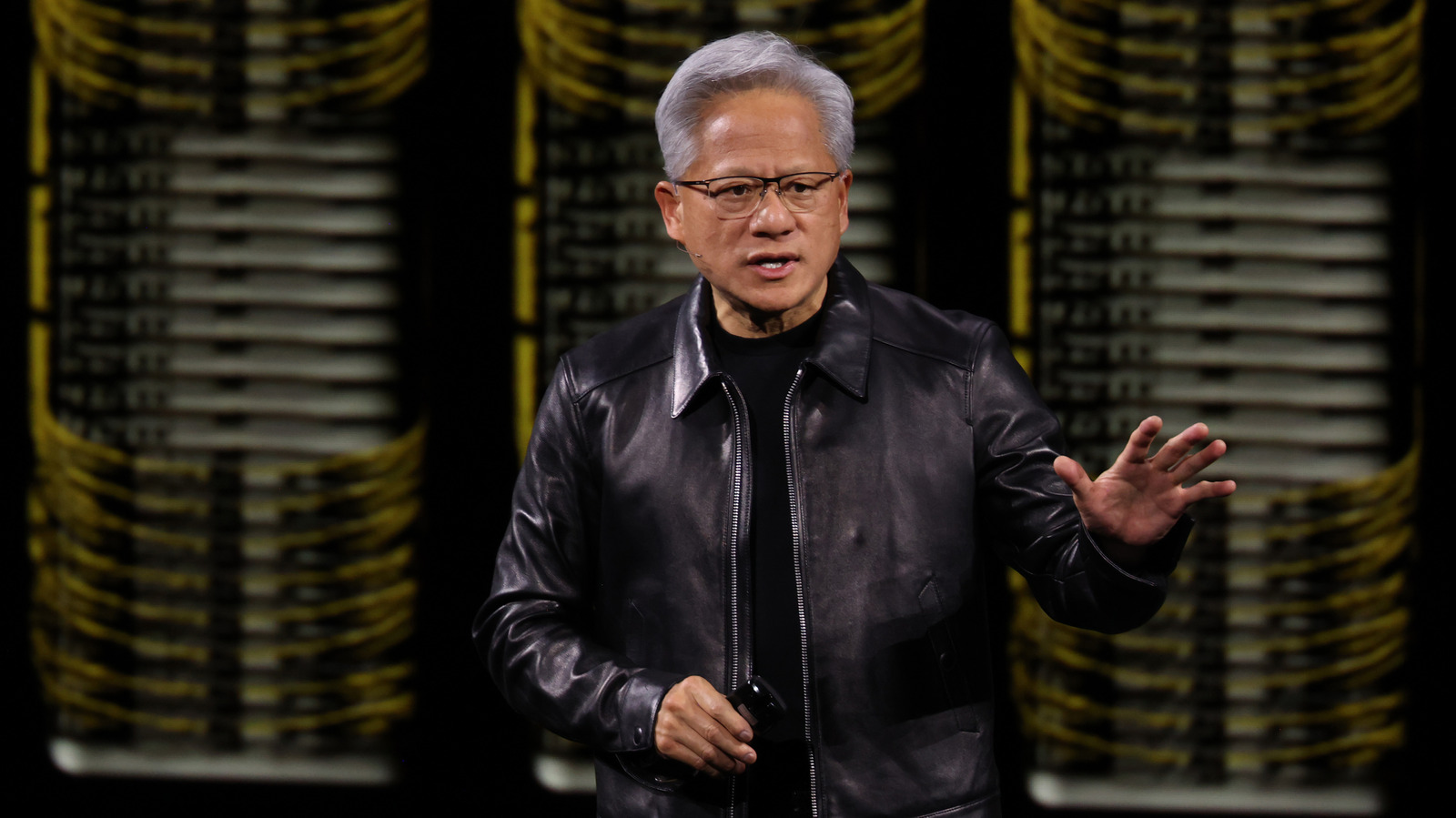
AI's Architect Under Siege: Jensen Huang's Affair Sparks Espionage Probe
NVIDIA launches probe into CEO Jensen Huang over alleged Chinese spy efforts, linking a top executive's affair to national security concerns in the AI race.

Defying the Upgrade Cycle: Your Old Smartwatch Isn't Dead Yet
Don't toss that old smartwatch. Discover how to transform forgotten tech into a dedicated AI assistant, tracker, or note-taker, challenging Big Tech's upgrade…