
Edge of an Era: How Big Tech is Bringing AI Home, Not to the Cloud
Big Tech's latest play? On-device AI. Meta, Qualcomm, and Microsoft are shifting intelligence to your devices, promising enhanced privacy, reduced latency, and…

For years, the promise of artificial intelligence felt inextricably tied to distant data centers and the cloud, a digital omnipotence wielded by a few giants. Now, a seismic shift is underway, championed by the unlikely triumvirate of Meta, Qualcomm, and Microsoft. They’re betting big on a future where AI's power resides not in the ethereal cloud, but directly within your pocket and on your desktop, ushering in a privacy-first, ultra-responsive computing paradigm.
The Decentralization Play
The move to on-device AI isn't just about a technical tweak; it's a strategic decentralization. Qualcomm, with its formidable Snapdragon chips, is at the vanguard, designing next-generation silicon optimized to run sophisticated AI models locally on smartphones and PCs. Microsoft, long a proponent of cloud services, is now throwing its weight behind this, recognizing the inherent advantages for Windows devices. Meanwhile, Meta, a company with an insatiable appetite for data, is surprisingly pushing local AI too, leveraging its open-source Llama models to operate efficiently without constant server pings. This collaboration signifies a collective push against the traditional cloud-centric model, promising a future where your device handles complex AI tasks, from real-time language processing to advanced image generation, without sending your data halfway across the globe.Privacy, Performance, and the Platform
The benefits are manifold. First, and perhaps most crucially for a privacy-wary global audience, local AI drastically reduces the need for personal data to traverse the internet, staying securely on your device. This isn't merely a marketing buzzword; it's a fundamental architectural change that could rebuild user trust. Second, latency plummets. Imagine instant AI responses for photo editing, virtual assistants, or gaming, unburdened by network lag. Finally, for the tech giants themselves, it's about control and ecosystem lock-in. By enabling powerful AI on their platforms (Windows, Android via Snapdragon, Meta's apps), they create stickier experiences, reduce cloud infrastructure costs, and open new monetization avenues for hardware and optimized software.The Global Angle
This pivot to on-device AI holds significant implications beyond the developed world. For regions with nascent or inconsistent internet infrastructure, powerful local processing means advanced AI capabilities become accessible without a constant, high-bandwidth connection. It democratizes access, potentially empowering users in emerging markets with tools previously limited by connectivity. Furthermore, data residency regulations, which vary wildly across nations, become less of a headache when data simply doesn't leave the device, fostering localized innovation and compliance. It’s a quiet revolution that promises to reshape how billions interact with technology, making AI a truly global, rather than centrally controlled, phenomenon.Source: Engadget

Silicon vs. Slop: The Battle for Photographic Authenticity Begins
As AI deepfakes flood the internet, CAIM1's prototype camera offers a hardware-backed cryptographic solution to restore trust in digital images. "The Byte…

Decentralized AI: The True Cost of Cutting the Cloud Cord
Want AI on your own terms? The Byte Republic explores the critical hardware specs and financial investment needed to run powerful LLMs directly on your PC.

Your Old Laptop's Encore: Unleashing Dual-Screen Productivity Without New Hardware
Unleash hidden potential! Learn how savvy tech users are transforming old laptops into valuable second monitors, boosting productivity and reducing e-waste…

The Phantom Port: Decoding Your MacBook's USB Disconnects
Even Apple, a USB pioneer, can stumble. Dive into why MacBooks sometimes miss USB devices, common fixes, and the global implications of connection friction.
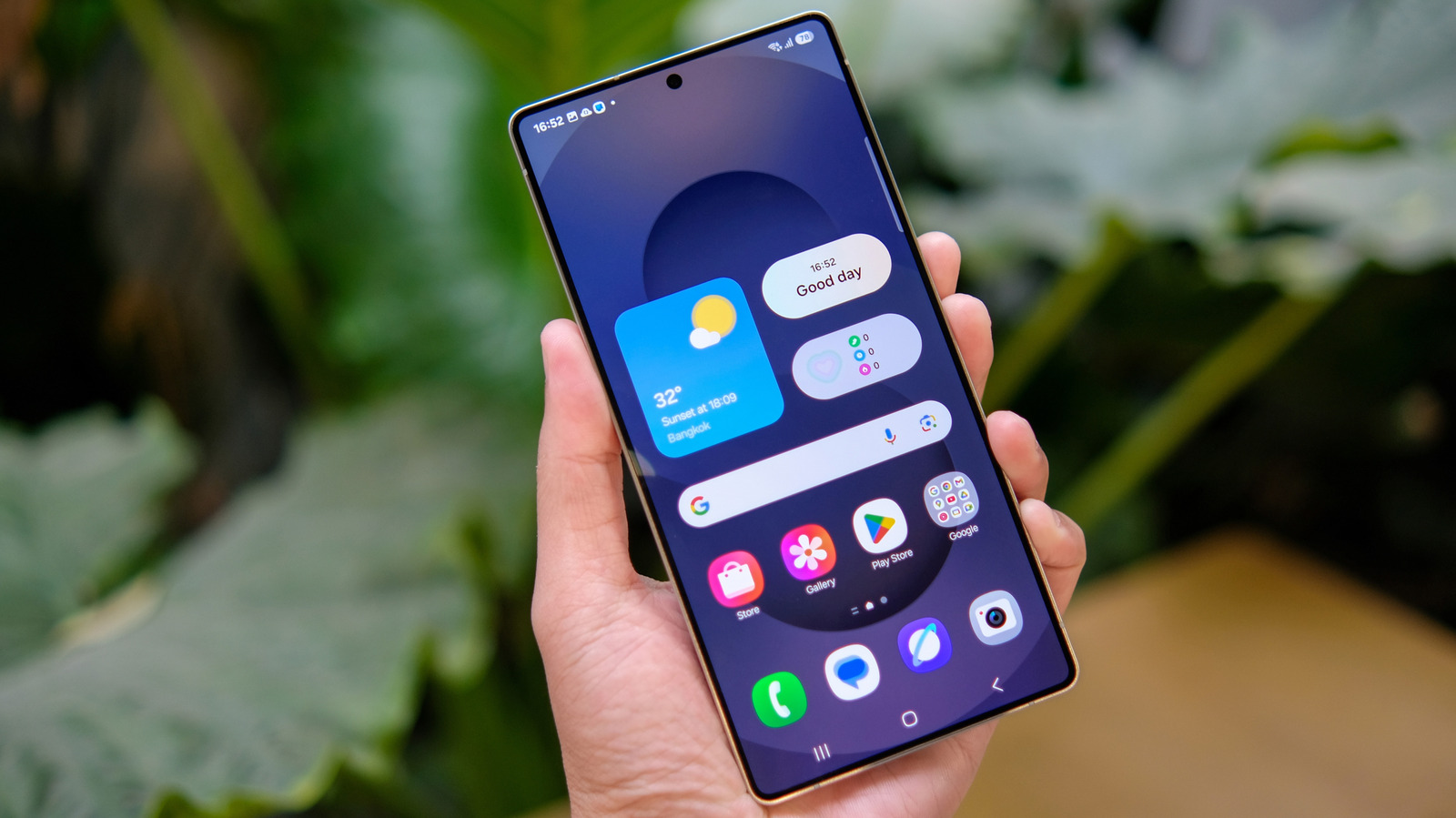
One UI's App Drawer: A Nod to Legacy in a Gesture-Driven Era
Samsung's One UI quietly removed the "all apps" button by default, yet offers a surprising olive branch to traditionalists. We unpack this subtle battleground…
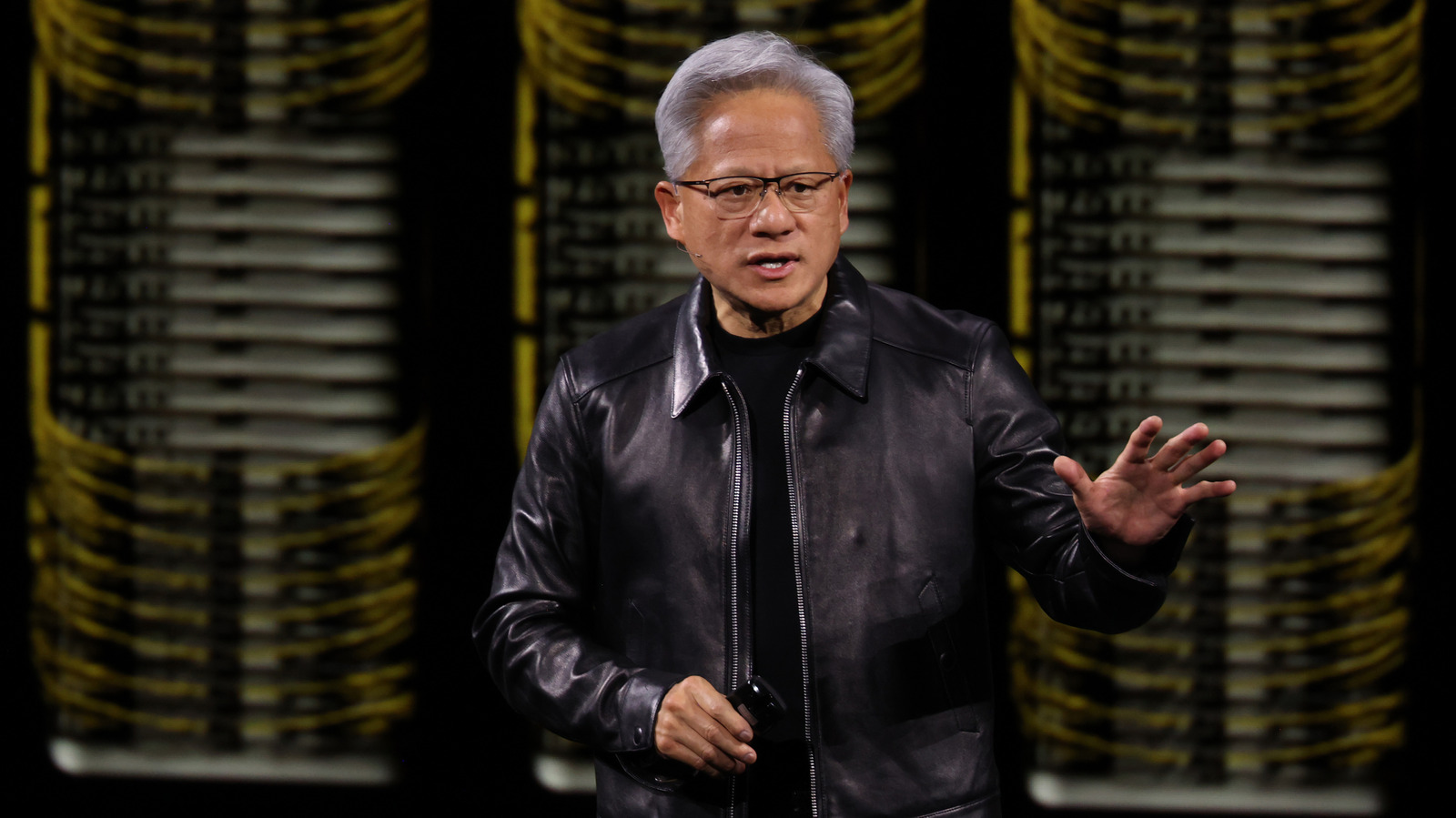
AI's Architect Under Siege: Jensen Huang's Affair Sparks Espionage Probe
NVIDIA launches probe into CEO Jensen Huang over alleged Chinese spy efforts, linking a top executive's affair to national security concerns in the AI race.

Defying the Upgrade Cycle: Your Old Smartwatch Isn't Dead Yet
Don't toss that old smartwatch. Discover how to transform forgotten tech into a dedicated AI assistant, tracker, or note-taker, challenging Big Tech's upgrade…