
Brussels' AI Hammer Drops: Tech Giants Brace for EU Act Enforcement
The EU's AI Act grace period ends, forcing global tech firms to re-audit systems. Discover how Brussels' new enforcement units will reshape AI compliance…
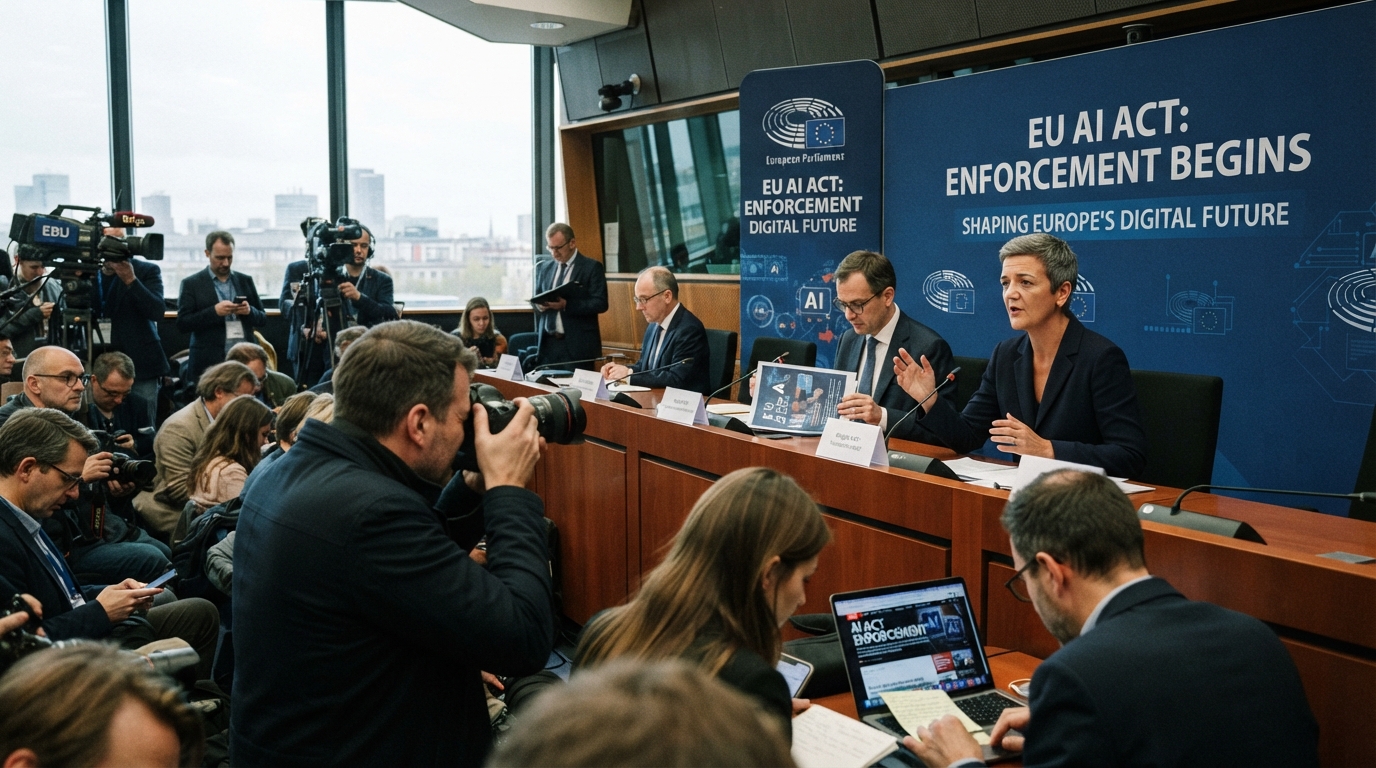
The long shadow of the European Union's Artificial Intelligence Act is finally materializing into concrete action. As the grace period for compliance rapidly dwindles, Brussels isn't just talking tough – it's building the machinery to enforce what many consider the world's most ambitious AI regulatory framework. Global tech firms, from Silicon Valley behemoths to burgeoning startups, are scrambling to re-audit every algorithm and product operating within the bloc. The message is clear: the era of 'move fast and break things' without a regulatory overhead is over, at least in Europe.
High Stakes for High-Risk AI
At the heart of the EU AI Act's immediate enforcement push are 'high-risk' systems. Think critical infrastructure, medical devices, employment screening tools, and biometric identification. Companies deploying these AI applications within the EU must now demonstrate meticulous compliance, undergoing stringent conformity assessments, robust data governance, and comprehensive human oversight mechanisms. The cost of non-compliance isn't just reputational; it involves hefty fines that could redefine corporate balance sheets. For many, this means a painful, costly re-evaluation of existing products and future roadmaps, potentially slowing innovation where it intersects with regulated sectors.The Enforcement Mechanism Takes Shape
To back its ambitious legislation, the EU is not leaving enforcement to chance. Regulators across member states are establishing specialized compliance units, tasked specifically with monitoring and auditing AI systems on the market. This isn't theoretical; we're talking about dedicated teams of experts scrutinizing algorithms, data sets, and deployment practices. The days of 'self-certification' as a mere formality are out; rigorous market surveillance, coupled with the threat of sanctions, signals a new era of proactive regulatory oversight. This move sends a clear message to venture capital-backed disruptors: regulatory hurdles are now as critical as market fit.The Global Angle
The 'Brussels Effect' is a well-documented phenomenon, where EU regulations become de facto global standards due to the bloc's market size. The AI Act is poised to be its next prime example. Non-EU tech companies, even those with limited direct presence, often find it more efficient to adhere to the EU's stricter rules globally than to maintain fragmented compliance strategies. This means the EU's vision for 'trustworthy AI' could soon shape product development in Silicon Valley, Beijing, and Bangalore. For semiconductor firms, it implies that the demand for AI chips and infrastructure will increasingly be influenced by regulatory requirements for explainability and robustness.As the grace period concludes, the coming months will be a true test of both the EU's enforcement capabilities and the global tech industry's adaptability. The cost of entry into the European AI market just got significantly higher, demanding not just innovation, but meticulous regulatory foresight. Source: Ars Technica

Silicon vs. Slop: The Battle for Photographic Authenticity Begins
As AI deepfakes flood the internet, CAIM1's prototype camera offers a hardware-backed cryptographic solution to restore trust in digital images. "The Byte…

Decentralized AI: The True Cost of Cutting the Cloud Cord
Want AI on your own terms? The Byte Republic explores the critical hardware specs and financial investment needed to run powerful LLMs directly on your PC.

Your Old Laptop's Encore: Unleashing Dual-Screen Productivity Without New Hardware
Unleash hidden potential! Learn how savvy tech users are transforming old laptops into valuable second monitors, boosting productivity and reducing e-waste…
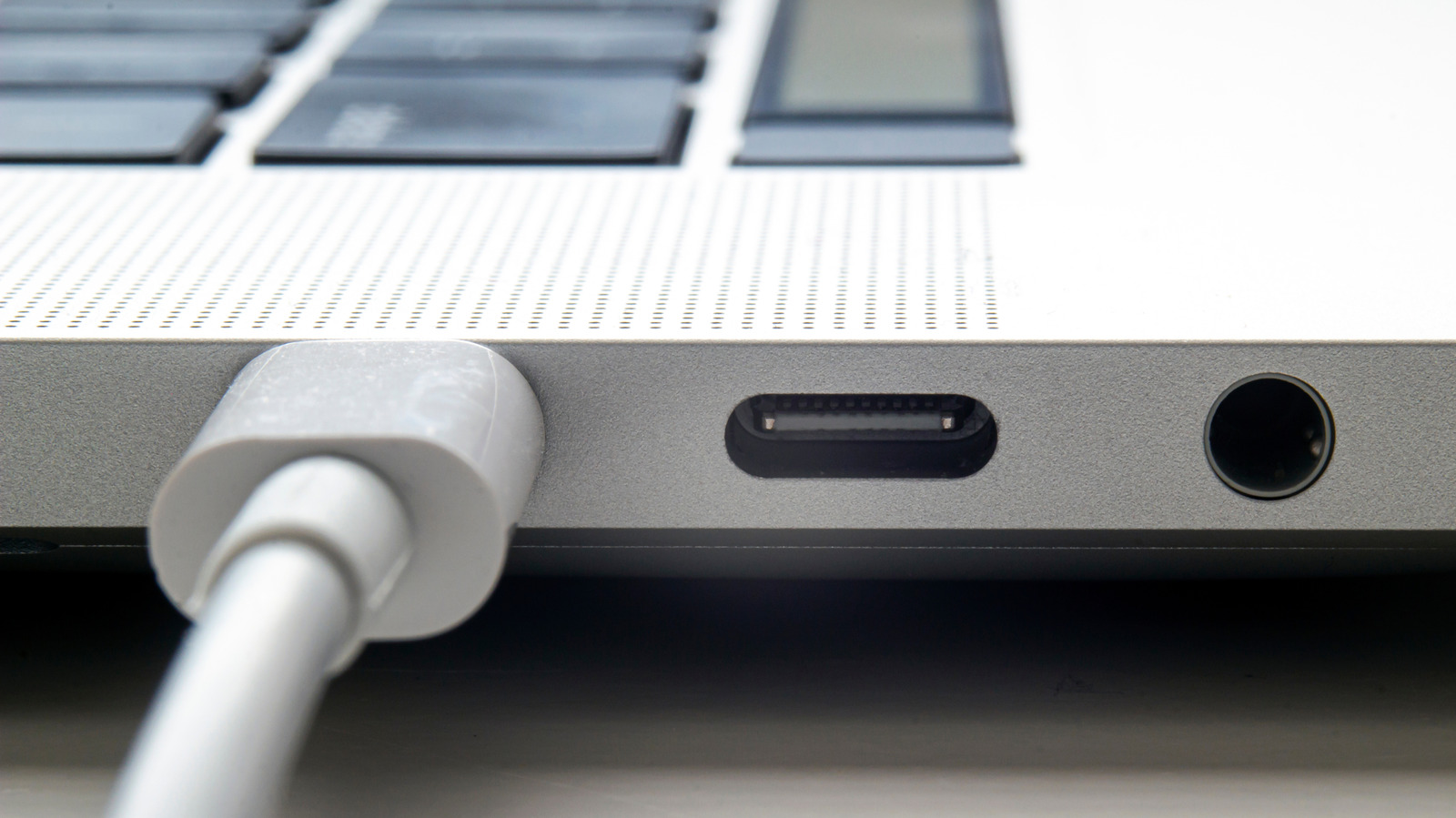
The Phantom Port: Decoding Your MacBook's USB Disconnects
Even Apple, a USB pioneer, can stumble. Dive into why MacBooks sometimes miss USB devices, common fixes, and the global implications of connection friction.

One UI's App Drawer: A Nod to Legacy in a Gesture-Driven Era
Samsung's One UI quietly removed the "all apps" button by default, yet offers a surprising olive branch to traditionalists. We unpack this subtle battleground…
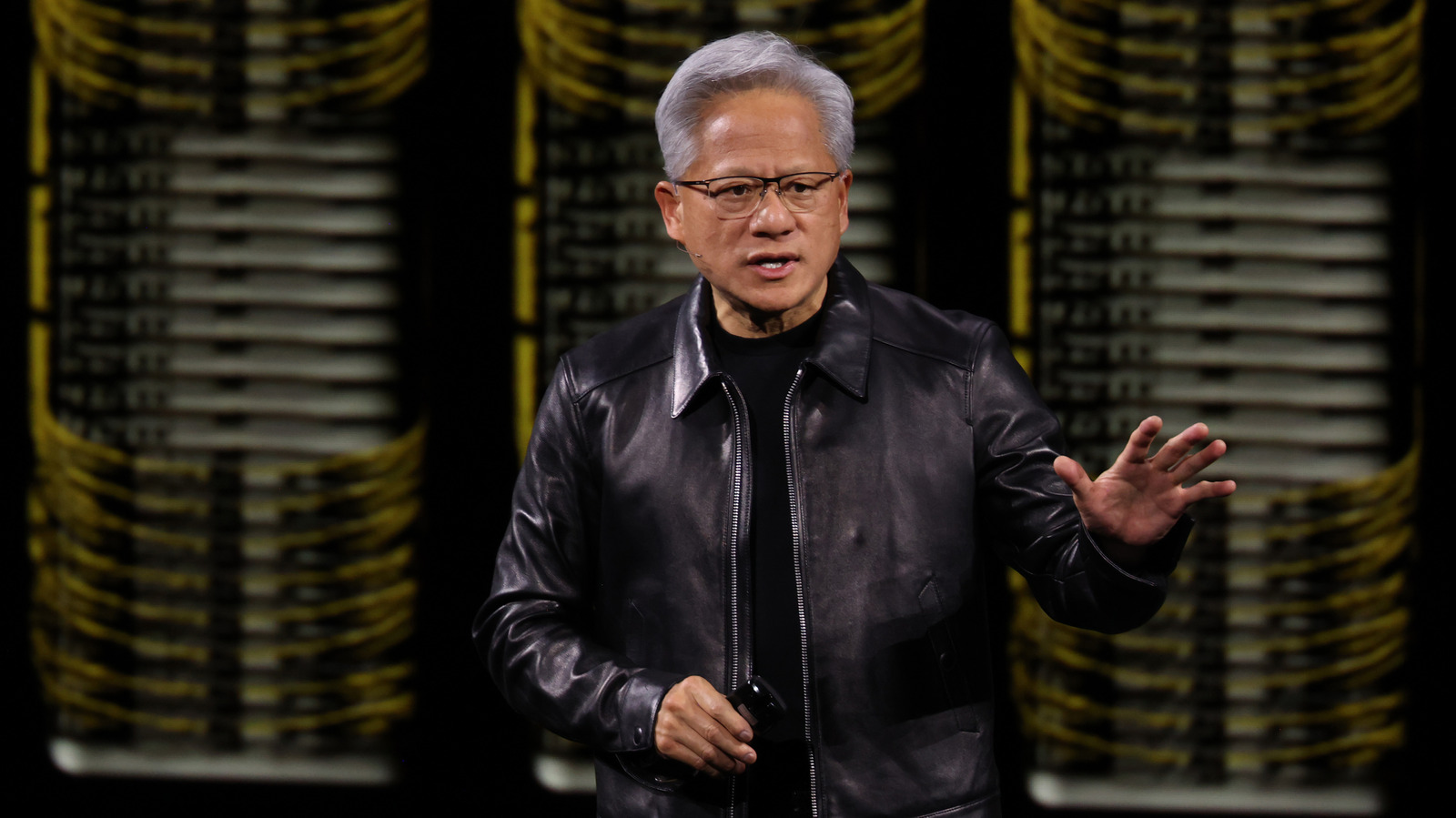
AI's Architect Under Siege: Jensen Huang's Affair Sparks Espionage Probe
NVIDIA launches probe into CEO Jensen Huang over alleged Chinese spy efforts, linking a top executive's affair to national security concerns in the AI race.

Defying the Upgrade Cycle: Your Old Smartwatch Isn't Dead Yet
Don't toss that old smartwatch. Discover how to transform forgotten tech into a dedicated AI assistant, tracker, or note-taker, challenging Big Tech's upgrade…